




Have you ever held an emerald up to the light and felt transported to a hidden jungle canopy? That rich, living green pulls you in like no other stone. Whether you are a fine jewelry enthusiast hunting for the perfect piece, a couple choosing an emerald engagement ring, or someone seeking a meaningful May birthstone gift, understanding what makes an emerald exceptional can turn a simple purchase into a lifelong treasure. This guide walks you through every essential detail so you buy with confidence and genuine excitement.
The Timeless Allure of Emeralds
Emeralds have captivated hearts for thousands of years. Ancient Egyptians, Romans, and even Cleopatra prized them as symbols of rebirth and eternal love. Today, they remain the ultimate expression of luxury in engagement rings, anniversary gifts, and collector pieces. Unlike diamonds that dazzle with fire, emeralds enchant with depth and mystery. Their color feels alive, almost as if the stone breathes the very essence of spring.
Yet many buyers hesitate because emeralds seem mysterious. How do you separate a truly fine stone from one that looks good only under store lights? The answer lies in knowing the gem’s unique personality rather than applying diamond rules. Once you learn the language of emeralds, shopping becomes both empowering and joyful.
What Makes an Emerald an Emerald: The Beryl Mineral Family
All emeralds belong to the beryl mineral family, the same group that gives us aquamarine and morganite. What sets the emerald apart is the presence of trace elements, specifically chromium and vanadium. These tiny amounts of chromium and vanadium create that signature vivid green, ranging from lush grass to deep forest tones. Without them, you would simply have green beryl, not a true emerald.
This chemical signature also explains why emeralds form in specific geological conditions, often near chromium-rich rocks. The result is a gem that feels rare and personal, as if nature selected only certain places on Earth to grow these treasures.
The Four Cs of Emeralds: Your Roadmap to Quality
Jewelry experts evaluate every colored gem using the Four Cs, but emeralds require a slightly different lens than diamonds. Here is how each factor plays out for this special stone.
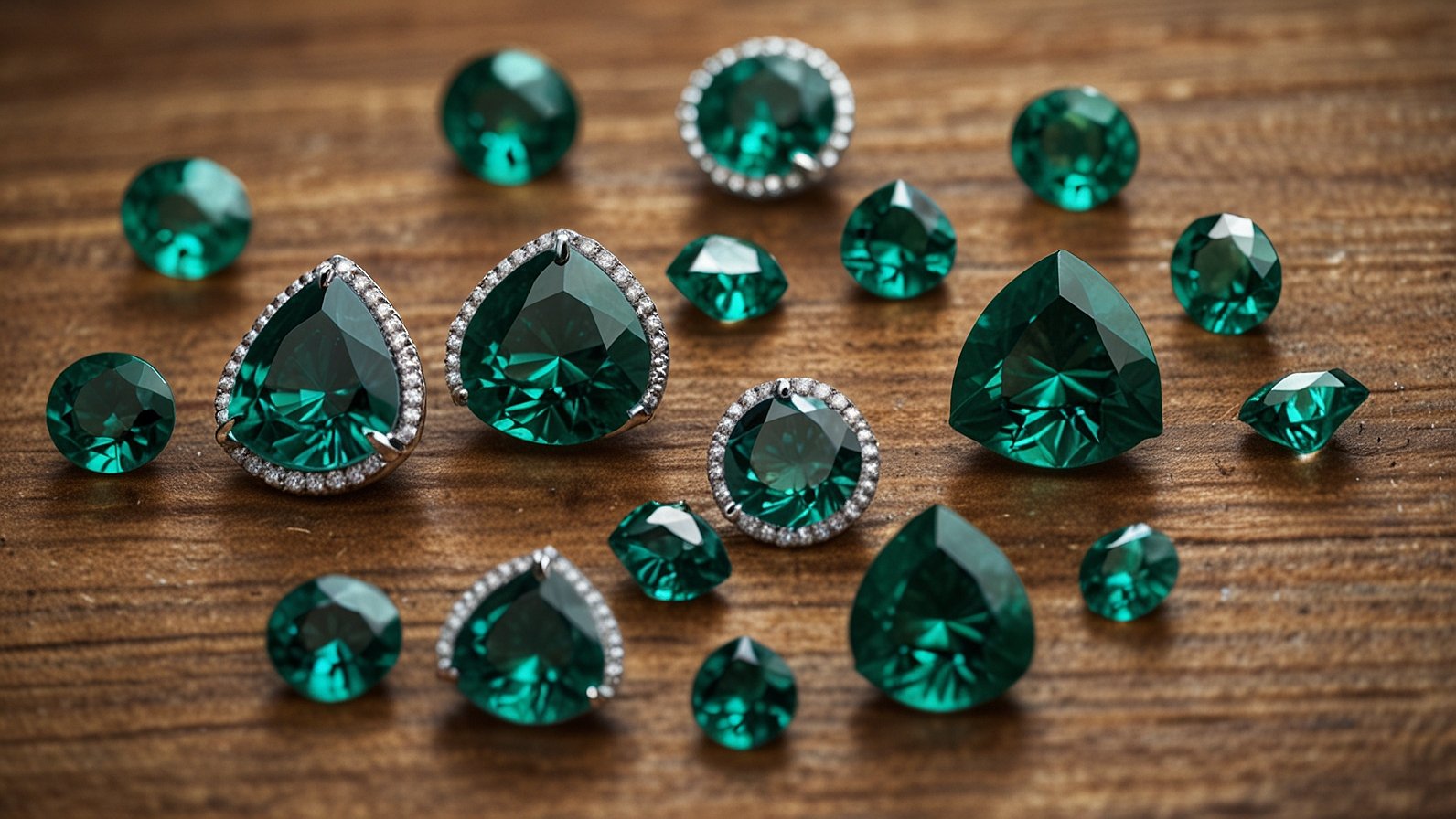
Color: The Heart of the Matter: Color matters most in emeralds. Look for a rich, even green with strong saturation and just the right tone, neither too light nor too dark. The ideal hue sits between pure green and a hint of bluish green. Chromium gives the warm, glowing quality many collectors adore, while vanadium can add a cooler, more vivid pop. Avoid stones that appear muddy, grayish, or overly yellowish.
Clarity: Embracing the Jardin: Unlike diamonds, where inclusions often lower value, emeralds almost always contain natural inclusions known as “jardin,” the French word for garden. These delicate, feathery patterns resemble tiny moss or foliage trapped inside the stone. Far from flaws, a beautiful jardin proves the emerald is natural and adds character. Top quality stones show jardin that enhances rather than distracts from the color.
Cut: Maximizing Beauty and Light: The classic emerald cut, with its rectangular shape and stepped facets, remains popular because it displays color beautifully while protecting the stone’s edges. Yet brilliant oval, round, or cushion cuts also work wonderfully. A skilled cutter balances maximum color return with durability, avoiding overly thin stones that chip easily.
Carat: Size with Substance: Emeralds over one carat already feel substantial. Fine stones grow rarer and more valuable as size increases, so a three carat emerald of equal quality will command a much higher price per carat than a half carat stone. Always prioritize quality over size.
Natural Inclusions: Why the Jardin Makes Your Emerald Special
Many first time buyers worry about inclusions. Relax. The jardin is part of what makes emeralds magical. Think of it as nature’s fingerprint. A stone without any jardin at all might actually be synthetic or heavily treated. Collectors often seek stones whose inclusions form attractive patterns visible only under magnification, preserving the gem’s organic charm while still allowing the color to shine.
Gemstone Oil Treatment: What Every Buyer Needs to Know
Nearly all emeralds receive a gentle oil treatment during cutting to fill tiny surface reaching fractures and enhance clarity and color. This centuries old practice is widely accepted in the trade and fully disclosed by reputable sellers. The oil is colorless and improves appearance without changing the stone itself. Over time, the treatment may need refreshing, especially after ultrasonic cleaning or exposure to heat. Always ask for a treatment report so you understand exactly what you are buying.
Colombian Emeralds Versus Zambian Emeralds: A Tale of Two Origins
Two regions dominate the world market, each offering distinct personalities.
Colombian emeralds, mined in areas such as Muzo and Chivor, set the global standard. They display a warm, intense pure green that seems to glow from within. Their jardin tends to be more visible yet charming, and the stones carry centuries of prestige. Many consider them the benchmark for investment grade emeralds.
Zambian emeralds, from the famous Kagem mine, often appear cooler and slightly bluish green. They frequently show higher clarity with fewer inclusions, making them more durable for everyday wear. Zambian stones also tend to be more affordable while still delivering exceptional beauty. Many modern buyers choose them for engagement rings because they resist chipping better in active lifestyles.
Colombian vs Zambian Emeralds at a Glance
| Feature | Colombian Emeralds | Zambian Emeralds |
|---|---|---|
| Color | Warm, intense pure green | Cooler, bluish green |
| Clarity | More jardin, yet highly valued | Often cleaner, fewer inclusions |
| Durability | 7.5 to 8 on Mohs scale | 7.5 to 8 on Mohs scale |
| Price per carat | Higher premium for prestige | More accessible for similar quality |
| Best for | Collectors, heirloom pieces | Everyday luxury, engagement rings |
Choose based on what speaks to your heart: classic romance or modern practicality.
How to Identify a High-Quality Emerald
Trust your eyes first, then verify with experts. A high quality emerald shows even color distribution without obvious zoning. It feels lively under natural light and displays a pleasing jardin that does not cloud the stone. Ask for a gemological report from a respected lab such as GIA that confirms natural origin, treatment level, and absence of dyes or resins. Buy from established jewelers who offer transparency and return policies.
Price Per Carat for Natural Emeralds: Setting Realistic Expectations
Expect wide variation. Commercial quality emeralds start under a few hundred dollars per carat. Fine natural stones range from three thousand to ten thousand dollars per carat. Exceptional Colombian examples in larger sizes can reach thirty thousand dollars or more per carat. Size, origin, and clarity drive the biggest jumps in value. A one carat fine emerald might cost eight thousand dollars, while a comparable three carat stone could exceed twenty five thousand dollars per carat. Always compare apples to apples by reviewing certified stones side by side.
Choosing the Perfect Setting: Best Metals for Emerald Jewelry
Emeralds pair beautifully with yellow gold and rose gold, which warm up the green tones and create rich contrast. White gold or platinum offers a cooler, modern look that lets the emerald take center stage. For protection, consider a bezel setting that encircles the stone with metal, guarding edges from knocks. Prong settings maximize light but require more careful wear. Halo designs add extra sparkle if you want diamond accents without overpowering the central emerald.
Caring for Your Emerald Gemstone
Emeralds rank 7.5 to 8 on the Mohs scale of hardness, so they resist scratches better than many colored gems yet remain more fragile than sapphires or diamonds. Avoid sudden temperature changes, harsh chemicals, and ultrasonic cleaners that can remove oil treatments. Clean gently with warm soapy water and a soft cloth. Store separately from harder stones. Many owners return their emeralds to a jeweler every few years for professional re oiling to maintain that fresh, vibrant appearance.
Emerald Engagement Rings and Special Gifts
An emerald engagement ring makes a bold statement of enduring love. Pair it with a simple band in complementary gold to keep focus on the green center stone. For anniversary gifts or May birthstone celebrations, consider earrings or a pendant that lets light dance through the facets. Whatever the occasion, the right emerald feels personal, like it was grown just for you.
Conclusion and Next Steps for Your Emerald Journey
Buying a quality emerald comes down to color, clarity that celebrates the jardin, thoughtful cut, and honest disclosure about treatments and origin. Armed with this knowledge, you can confidently distinguish investment grade stones from commercial ones and select a gem that will bring joy for generations.
Here are five quick tips to take with you:
- Prioritize color above all else.
- Embrace natural jardin as a sign of authenticity.
- Request full treatment and origin documentation.
- Choose settings that protect the stone’s edges.
- Work with reputable sellers who educate rather than pressure.
Ready to find your perfect emerald? Visit a trusted fine jewelry specialist or certified gemologist today and let the hunt begin. Share your own emerald stories in the comments. Which origin calls to you, Colombian romance or Zambian clarity?
You May Also Like: The Ultimate Guide to Styling Your Favorite Blazertje
FAQs
How do I identify a high quality emerald?
Focus on vivid, even green color, attractive yet natural jardin inclusions, and a professional grading report. Hold the stone under natural light to check for life and depth.
What is the typical price per carat for natural emeralds?
Fine natural emeralds range from three thousand to thirty thousand dollars per carat depending on quality, size, and origin. Exceptional Colombian stones can exceed this in larger sizes.
What should I know before buying an emerald engagement ring?
Consider durability, preferred setting style, and treatment disclosure. Opt for a protective bezel or secure prongs and choose a stone whose color and clarity match your vision.
What are the main differences between Colombian and Zambian emeralds?
Colombian stones offer warmer, intense green with signature jardin and historic prestige. Zambian emeralds tend toward cooler bluish green tones, higher clarity, and greater everyday durability at a more accessible price.
What is the best metal for emerald jewelry?
Yellow or rose gold beautifully complements the green hue. White gold and platinum provide elegant contrast. Bezel settings offer extra protection for the softer stone.
How do I care for my emerald gemstone?
Clean gently with mild soap and water. Avoid heat, chemicals, and ultrasonics. Store separately and consider periodic professional re oiling to maintain clarity and color.
Are emerald clarity grades different from diamonds?
Yes. Emeralds are graded more leniently because inclusions are expected. Eye clean stones with pleasing jardin rank highest, while heavy cloudiness lowers value.