




Efficiency in color changeovers defines how productive a powder coating line can be. With integrated systems combining application, recovery, and curing components, manufacturers gain smoother transitions and tighter process control. Modern setups are built to reduce waste, improve finish quality, and cut downtime, setting a new standard for consistent output across production shifts.
Rapid Purge Cycles Enabled by Integrated Spray-booth and Recovery Systems
Integrated powder coating booths use automated purge sequences to clear out residual powder between color runs. These rapid purge cycles reduce manual cleaning time and prevent contamination when switching to a new shade. By coordinating airflow and filtration, operators can change colors in minutes rather than hours.
The key advantage comes from combining the booth and recovery system under a single control interface. Instead of handling filters or collectors separately, the system triggers synchronized airflow reversals that clean ducts and reclaim powder efficiently. This integration boosts uptime and keeps production schedules steady, even with frequent color changes.
Coordinated Gun-to-oven Hand-off Reducing Idle Periods Between Color Runs
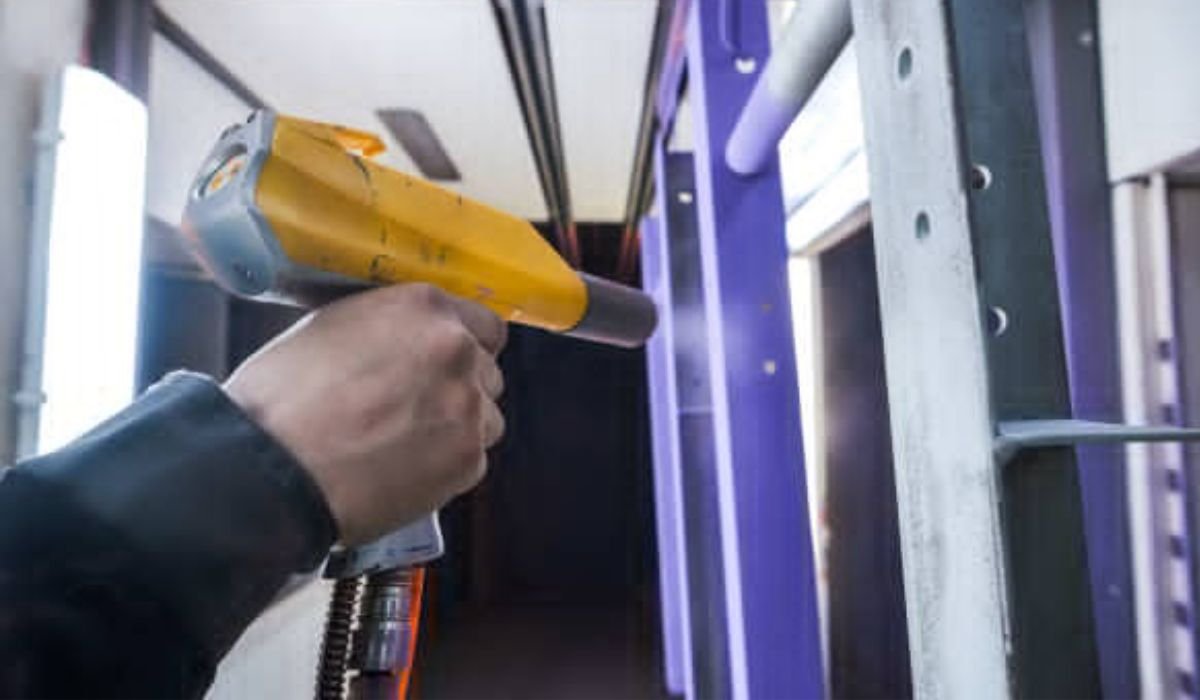
A coordinated link between the professional powder coating gun, booth, and propane powder coating oven helps streamline production flow. Once a batch is sprayed, sensors and conveyors automatically signal the oven stage, cutting out delays that often occur between spraying and curing. This smooth hand-off ensures each part moves through the system at optimal timing.
Eliminating idle periods increases throughput and energy efficiency. The connected system maintains a steady rhythm, allowing operators to start prepping the next color while the previous batch cures. It’s a practical upgrade that adds precision and predictability to coating operations.
Cyclone Recovery and Filtration Modules Minimizing Cross-contamination Between Hues
Cyclone recovery units separate powder particles from exhaust air and recycle usable material. Integrated with advanced filtration modules, they remove leftover powder that could cause unwanted color mixing. This tight control ensures color purity from batch to batch. The efficiency of cyclone systems lies in their ability to clean continuously during operation. Instead of shutting down for manual cleanouts, these modules maintain performance with minimal oversight, making them an essential part of any high-volume powder coating booth setup.
Pre-set Recipes Stored in Control Panels for Repeatable Change-over Sequences
Modern powder coating equipment uses digital control panels that store pre-set parameters for each coating type. Operators can recall exact settings for airflow, voltage, and feed rates with a single command. This consistency speeds up changeovers and guarantees identical coating performance every time.
Pre-set recipes also minimize human error. By following digital profiles, technicians avoid over-adjusting or misconfiguring equipment between color changes. It’s a feature that supports both quality and repeatability, ensuring production lines maintain a uniform finish across multiple shifts.
Controlled Airflow Layout Within the Booth Accelerating Clean-out of Residual Particles
Airflow design inside a powder coating spray booth influences how efficiently leftover particles are cleared out. Systems with optimized duct paths and balanced suction zones create a consistent sweep of air that removes dust from walls, grates, and corners. This controlled movement ensures a clean surface for the next coating application. A properly engineered airflow pattern also extends filter life. By directing air in predictable streams, the system prevents powder buildup and maintains booth performance without frequent shutdowns. That level of control directly impacts both color transition times and long-term maintenance cycles.
Modular Hopper and Hose Assemblies Allowing Quick Swap of Base Colors
Modular hopper assemblies simplify the switch from one base color to another. Operators can remove or replace hoppers and hoses without dismantling the entire feed system. These interchangeable components make production lines more flexible and responsive to quick order changes.
Shorter change times mean less downtime between jobs. Modular systems are particularly valuable in facilities that handle small production batches or custom color orders. With clean, easy-to-swap parts, technicians can maintain output without sacrificing quality.
Real-time Monitoring of Powder Usage and Color Drift Supporting Tight Quality Margins
Integrated sensors now allow operators to monitor powder usage and detect color drift in real time. The system tracks material flow, electrostatic charge, and spray patterns to maintain accurate color application. If deviations occur, alerts help technicians adjust settings before defects appear.
This immediate feedback loop saves material and reduces rework. It also ensures consistent finishes across entire batches, maintaining tight quality margins even under high-volume conditions. With detailed usage data, facilities can better manage inventory and forecast future powder demand.
Synchronized Curing Schedules Aligned with Batch Changes for Continuous Throughput
Coordination doesn’t stop at spraying—integrated curing systems synchronize heat cycles with the production timeline. The propane powder coating oven adjusts temperature and dwell times to match each color batch, keeping transitions smooth and avoiding overcuring or undercuring.
This synchronization maintains steady throughput. Operators can alternate colors without pausing the oven, reducing idle heat time and energy waste. The result is a consistent coating quality that aligns perfectly with the line’s production rhythm, allowing uninterrupted operation from start to finish.
Reliant Finishing Systems provides advanced powder coating equipment that integrates all these elements into cohesive, efficient systems. Their designs help manufacturers shorten changeover times, maintain clean color transitions, and achieve superior control across every stage of the coating process.