



Water intrusion can significantly damage a home’s structure, compromise its value, and negatively affect its residents’ health. Integrating robust waterproofing measures is vital for protecting your home from excess moisture and long-term deterioration. For homeowners seeking reliable solutions, modern waterproofing methods offer advanced protection and peace of mind.
As our understanding of building science evolves, so do the available materials and technologies for home waterproofing. These innovations not only safeguard the home’s foundation and interiors but also contribute to a healthier indoor environment and greater comfort for occupants.
Choosing the right waterproofing technique can seem daunting with the array of options available. Homeowners can now use newer systems specifically designed to protect even the most moisture-prone areas for many years. Additionally, keeping up to date with regular inspections and prompt repairs is essential to ensure these solutions continue to perform optimally.
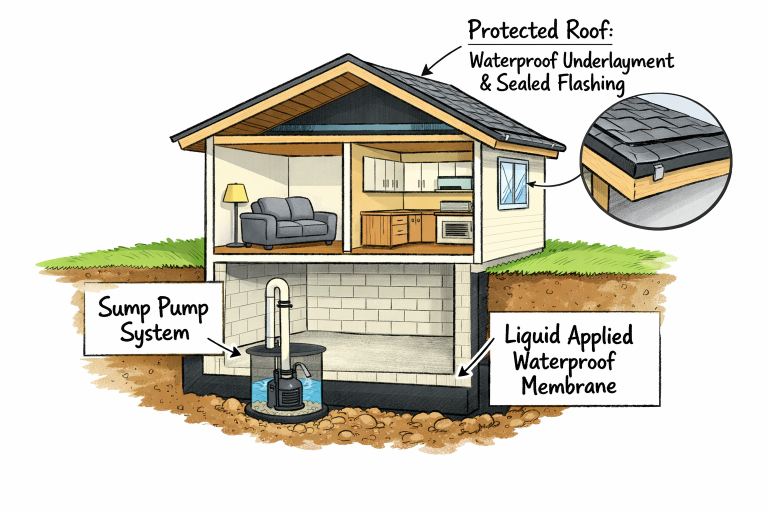
Mitigating water problems often means addressing not only the visible aspects but also taking preventative action beneath the surface. For example, sump pumps are indispensable in many homes for preventing basement flooding, supporting larger waterproofing strategies by redirecting water away from foundations and vulnerable interior spaces.
Understanding the Importance of Waterproofing
A proactive approach to waterproofing is crucial for safeguarding a home from a host of issues, including water infiltration, mold growth, and ongoing structural deterioration. Modern materials, such as polymer-based barriers and liquid-applied membranes, protect high-risk areas, extending the life of surfaces and maintaining the functionality and aesthetics of a home. Ensuring your home is protected is a key step in preserving its value and the well-being of everyone living in it.
Common Water-Related Issues in Homes
When homes lack proper waterproofing systems, they are exposed to the risk of:
- Mold and Mildew: Excess moisture encourages fungal growth, which can damage construction materials and trigger respiratory issues.
- Compromised Foundations: Persistent water seepage can erode and weaken concrete, leading to cracks and costly repairs.
- Lowered Indoor Air Quality: A damp environment can foster the growth of allergens and toxins, making occupants more susceptible to health complaints.
For further details on the dangers of indoor mold and its effects, refer to the CDC’s information on mold hazards.
Traditional vs. Modern Waterproofing Methods
Older approaches, such as basic damp-proof coatings or plastic liners, may offer some protection but often degrade as a home ages or as environmental conditions shift. These methods can fail due to limited flexibility, poor adhesion, or installation oversights. By contrast, contemporary technologies employ materials and application techniques designed to form watertight seals, bridging even micromovements in building surfaces and maintaining performance over time.
Innovative Waterproofing Solutions
Liquid-Applied Membranes
Liquid-applied membranes stand out in modern construction for their ability to cover a wide range of surfaces thoroughly, without the risk of weak seams. Usually made from polyurethane or advanced acrylics, these membranes are applied in a fluid state and form a continuous barrier as they cure. This method is highly effective on complex shapes, balconies, green roofs, and any area where leaks may otherwise occur along traditional seams or joints.
Self-Healing Concrete
A new frontier in durable construction, self-healing concrete incorporates agents that activate when exposed to water, filling hairline cracks to restore the material’s waterproof quality. By automatically repairing minor damage, this technology greatly reduces maintenance needs and can extend the usable life of both structural and decorative elements within a home. Learn more about the science behind self-healing materials through resources provided by Scientific American.
Nano-Coatings
Nano-coatings use advanced nanotechnology to bond tightly at the molecular level, forming a near-invisible barrier that repels water while still allowing the material underneath to breathe. This is particularly useful for exteriors and susceptible interior surfaces, as it prevents staining, weathering, and the build-up of contaminants, all without compromising indoor air circulation or trapping moisture within walls.
Implementing Effective Waterproofing in Your Home
- Identify Key Risk Zones: Evaluate vulnerable spaces such as basements, crawl spaces, bathrooms, and roofs for potential moisture intrusion.
- Match Solutions to Specific Needs: Select modern waterproofing materials or systems that best suit your home’s layout, construction materials, and climate conditions.
- Seek Qualified Professionals: Proper application and installation are crucial. Experienced contractors understand not only material science but also the nuances of detailed detailing, ensuring comprehensive protection.
- Maintain and Inspect: Regular checks and preventive maintenance help you catch minor problems early, preventing them from escalating into larger, more expensive issues.
Conclusion
Modern homes face greater demands in terms of both performance and healthfulness. By investing in advanced waterproofing strategies, you ensure that your residence remains secure, resilient, and comfortable for years to come. Utilizing new materials and technologies, as well as maintaining them, will provide superior protection against moisture and create a healthier environment for you and your family. The right solutions not only protect your home’s integrity, but also its value and the well-being of everyone who lives there.