




Rodents have been an unwelcome guest in human habitations since time immemorial. Known for their adaptability, rapid reproduction, and voracious appetite, these small mammals can cause significant damage to properties, spread diseases, and contaminate food supplies. As a result, rodent control has been a priority for homeowners, farmers, and businesses alike. Over the years, methods to combat rodent infestations have evolved from basic traditional techniques to sophisticated modern solutions. This article explores the journey of rodent control, highlighting the strengths and limitations of each approach.
Traditional Methods of Rodent Control
Traditional rodent control methods primarily centered around physical and cultural controls. These methods were simple yet effective in many cases, relying on the basic understanding of rodent behavior and habitats.
Traps
The use of traps has been one of the oldest and most common methods of catching rodents. Simple snap traps are designed to kill rodents quickly and have been in use for centuries. These traps are affordable and easy to set up, making them a popular choice for small-scale rodent control. However, their effectiveness is limited to small infestations.
Natural Predators
Encouraging the presence of natural predators like cats and owls around properties was another traditional approach. These predators help in controlling rodent populations by hunting them. While effective to some extent, relying solely on natural predators is often insufficient for large infestations.
Poison Baits
Rodenticides, or poison baits, have been used for decades to control rodent populations. These baits are effective in reducing numbers quickly. However, they pose risks to pets, wildlife, and even humans if not used correctly. Additionally, rodents can develop resistance to these chemicals over time, diminishing their effectiveness.
Modern Methods of Rodent Control
As our understanding of rodent behavior and ecology has improved, so too have the methods used to control them. Modern rodent control techniques emphasize integrated pest management (IPM), a comprehensive approach that combines multiple strategies for long-term effectiveness.
Integrated Pest Management (IPM)
IPM is an environmentally friendly approach that focuses on prevention, monitoring, and control. It involves a combination of methods such as habitat modification, exclusion techniques, and the use of traps and baits. By understanding the specific needs and habits of the rodent species involved, IPM aims to reduce reliance on chemical controls and minimize risks to non-target species.
Electronic and Ultrasonic Devices
Technological advancements have introduced electronic and ultrasonic devices designed to repel or kill rodents. Ultrasonic devices emit high-frequency sound waves that are uncomfortable for rodents, deterring them from entering specific areas. While these devices are safe and easy to use, their effectiveness can vary depending on the environment and the specific device used.
Professional Pest Control Services
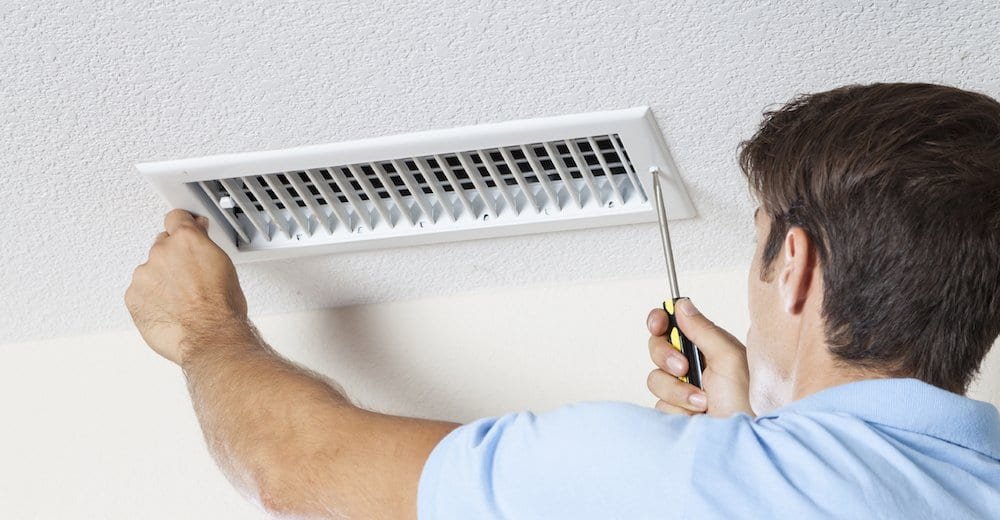
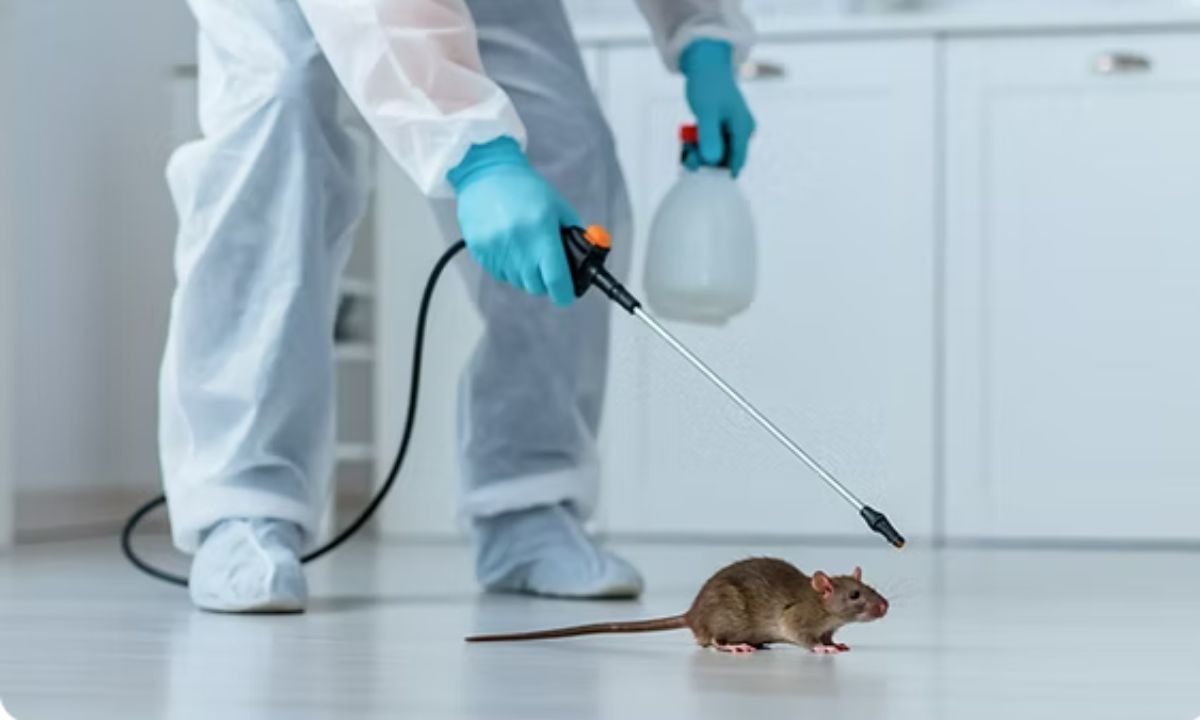
For severe infestations, professional pest control services offer comprehensive solutions. These services often integrate various control methods tailored to the specific situation. Professionals can efficiently identify entry points, recommend structural modifications, and use advanced techniques to manage rodent populations. For those searching for expert assistance, Rodent removal near me can provide specialized services in your area.
Conclusion
Rodent control is a dynamic field that continues to evolve as we gain a better understanding of these resilient pests. From traditional traps and poisons to modern IPM techniques and electronic devices, the arsenal of tools available to combat rodent infestations is vast and varied. The key to effective rodent control lies in understanding the unique challenges of each situation and applying an integrated approach that minimizes risks to the environment and non-target species. As we continue to innovate and refine these methods, the goal remains the same: to protect human health and property from the threats posed by rodents.