



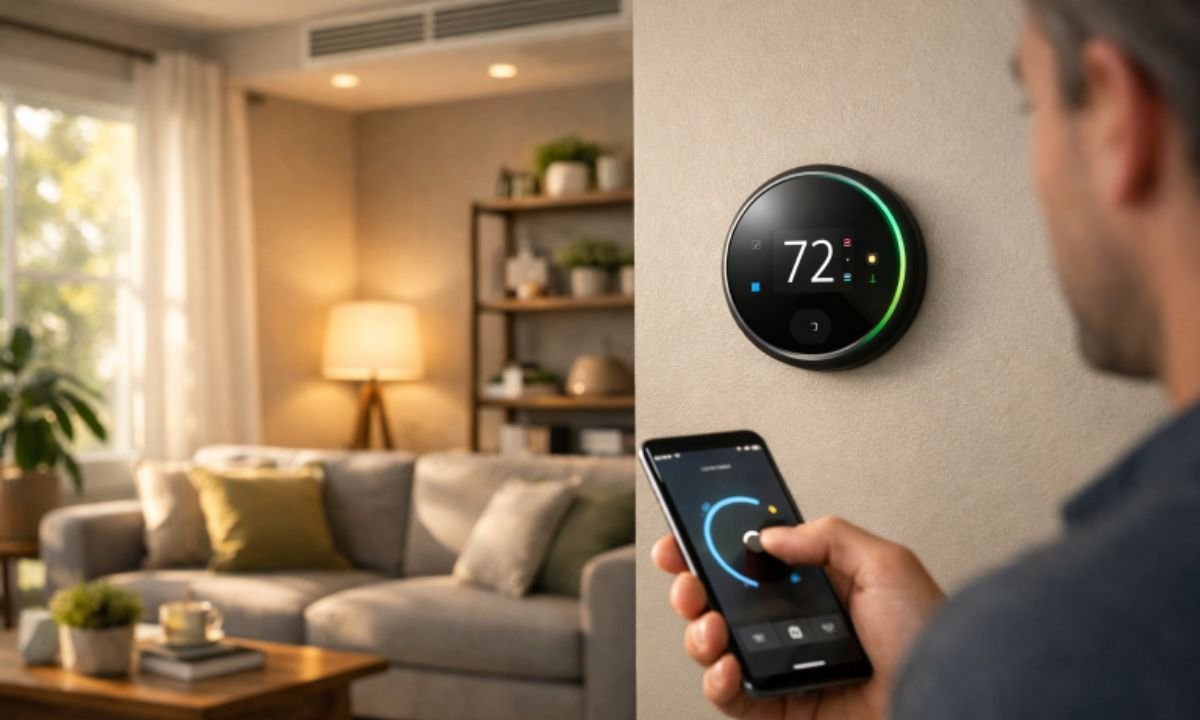
As households seek more comfortable and cost-effective ways to manage indoor climates, advancements in smart technologies are transforming air conditioning systems. Today’s smart solutions not only ensure greater comfort but also promote significant energy savings. Homeowners can take advantage of efficient air conditioning methods to maintain pleasant living spaces without overspending on utility bills.
Modern climate control technology allows for tailored cooling and improved energy management. With the advent of smart controls and automation, controlling temperatures is both simple and efficient. This shift empowers individuals to adopt best practices that support a more sustainable, comfortable home environment.
By familiarizing themselves with smart air conditioning systems and their benefits, households can optimize energy use year-round. Not only do these enhancements help the environment, but they also result in tangible cost savings for families. Those looking to further enhance climate control can also explore options for heating to create year-round indoor comfort with greater efficiency.
Understanding Smart Air Conditioning Systems
Smart air conditioning systems combine state-of-the-art technology and automation to deliver precise indoor temperature control. These setups typically feature remote access via smartphones, learning algorithms that adapt to user habits, and interoperability with other smart home devices. Users can craft their own comfort routines, ensuring each room is cooled efficiently, even when they are away from home.
Integration with digital assistants and home hubs allows users to control air conditioning with simple voice commands or to automate cooling based on factors like the time of day, occupancy, and even local weather conditions. These systems are designed to minimize overcooling and energy waste, striking a balance between comfort and conservation.
Benefits of Smart Thermostats
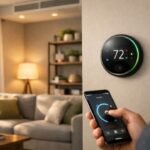
Among the leading advancements in smart air conditioning is the implementation of smart thermostats. These devices go beyond basic temperature settings. Intelligent scheduling, geofencing, and real-time monitoring enable homeowners to set heating and cooling preferences that align with their daily routines. Over time, a smart thermostat can learn user habits and adjust settings accordingly, enhancing convenience and saving money.
Studies indicate that smart thermostats can save users an average of 8 percent on utility bills each year. According to the U.S. Department of Energy, homeowners who upgrade to programmable thermostats and use them properly can save up to 10 percent on heating and cooling costs each year.
Energy Savings Through Smart Controls
Smart air conditioning controls extend beyond thermostats alone. These advanced systems can use sensors to detect occupancy or open windows and make automatic adjustments, ensuring energy is not wasted. With app-based controls, homeowners can set cooling schedules, receive maintenance reminders, and analyze usage data to pinpoint opportunities for additional savings.
Many smart controls offer integration with utility demand-response programs, further incentivizing off-peak energy use. When used in conjunction with system upgrades such as variable-speed compressors and high-efficiency filters, these controls can yield substantial financial and environmental benefits.
Optimal Thermostat Settings
Adjusting thermostat settings even slightly can mean significant energy and cost savings over time. During the summer, setting the thermostat as high as comfortable, generally around 78 degrees Fahrenheit when at home, can reduce energy use. In winter, lowering the thermostat by a few degrees is just as beneficial.
The Environmental Protection Agency recommends adjusting your thermostat at night or when you are away from home to realize the greatest savings. Small, consistent changes in your daily routine, such as using ceiling fans to distribute cool air, can improve the efficiency of your air conditioning system. For further advice on thermostat strategies and energy-saving tips, review expert guidance from CNN: Best Thermostat Settings for Summer and Winter.
Integrating Smart Ventilation Controls
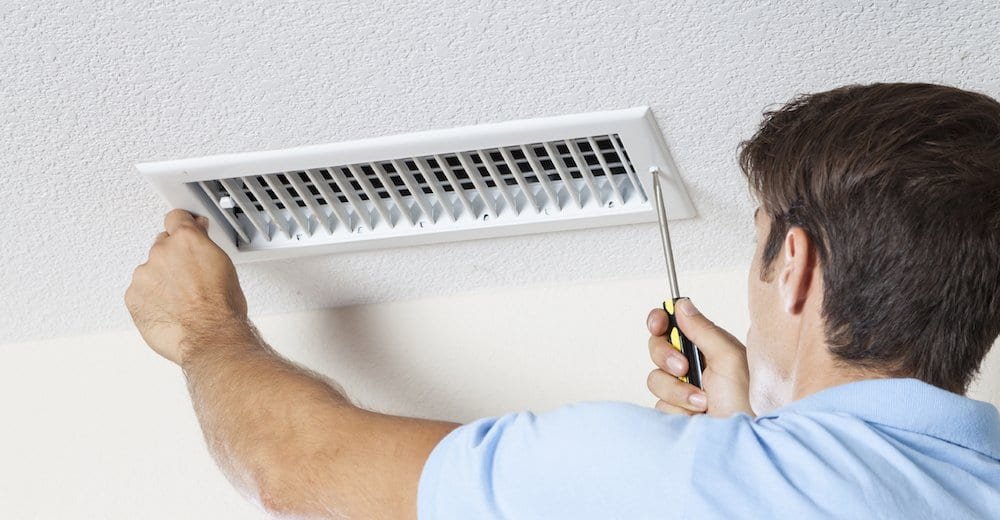
Indoor air quality is vital for a healthy home. Smart ventilation controls enhance airflow, maintain humidity, and filter pollutants. Automated systems circulate fresh air based on indoor readings or outdoor weather, boosting A/C efficiency. These controls are especially useful in airtight homes. Though initial costs and complexity can worry homeowners, the benefits of better air quality and savings usually outweigh these issues. Smart ventilation is increasingly favored by energy-conscious families.
Conclusion
By exploring and adopting smart air conditioning technologies and practices, homeowners can enjoy a more comfortable living environment and lower energy bills. From programmable thermostats to advanced ventilation controls, these innovations offer practical ways to achieve both sustainability and savings. Staying informed and making strategic choices can help you create an efficient, healthy, and cost-effective home climate system year-round.