







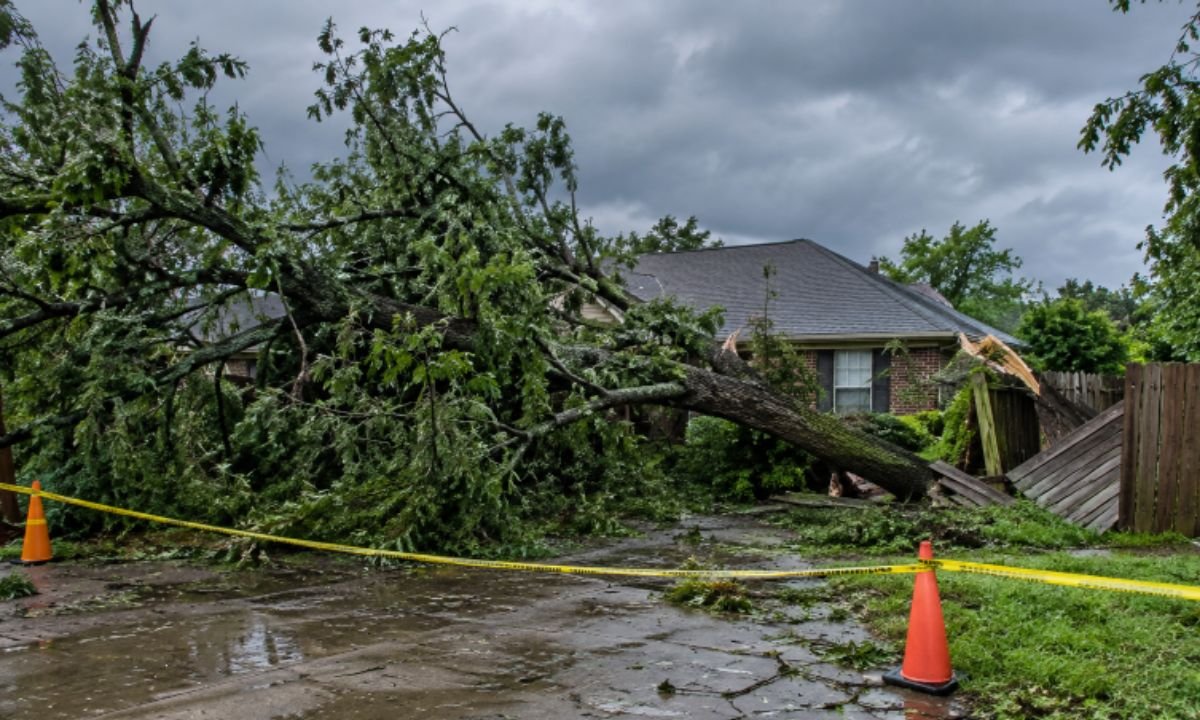
A fallen tree can turn a quiet Rock Hill, South Carolina, afternoon into a stressful property emergency, especially after high winds, heavy rain, or a fast-moving storm. Whether it blocks a driveway, hits a roof, or lands in an open yard, the priority is keeping people away from danger before planning cleanup or arranging fallen tree removal in Rock Hill. A quick assessment of the surrounding area can help identify immediate hazards and determine which steps to take next.
Acting quickly does not mean rushing into the debris. Fallen trunks and branches may be unstable, and damage to utilities or structures is not always obvious. Use this checklist to make calm decisions during the first hours and days after a tree falls on your Rock Hill property.
1. Take These First Steps
Move family members, visitors, and pets away from the tree, its limbs, and the area where it landed. Stay indoors or relocate to a safe spot if the tree has struck the home. Do not climb onto a roof, step over a trunk, or pull branches away from a fence, vehicle, or building. Call 911 if someone is injured, trapped, or facing an immediate electrical or fire hazard.
From a safe distance, look for downed wires, a damaged utility pole, gas odors, broken windows, or a tree pressing against the house. Keep vehicles out of the affected area until you know it is safe. If a fallen tree blocks the only route in or out of the Rock Hill property, ensure emergency access remains available before beginning any ordinary yard work.
2. Check For Hidden Dangers
A tree that has already fallen can still shift, roll, or release pressure when limbs are moved. This is why hazardous tree removal is often the right choice when a trunk is twisted, elevated, caught between trees, or resting against a structure. Wet ground around Rock Hill properties can also make a lifted root ball less predictable.
- Stay back if the tree is resting on a roof, car, shed, fence, or deck.
- Avoid trunks with visible splits, bends, or heavy sections under tension.
- Do not walk beneath hanging limbs or broken branches.
- Keep clear of exposed roots, cracked soil, and trees leaning into other trees.
3. Stay Clear Of Power Lines
Always treat a downed or low-hanging line as energized. Do not touch the tree, nearby branches, puddles, fences, vehicles, or other objects that may be in contact with it. Leave the area, warn neighbors and passersby to stay back, and call the utility provider or emergency services from a safe location. Wait for trained crews to confirm that the area is safe.
If the cleanup will involve a saw, remember that cutting wood under pressure can cause sudden movement.
4. Inspect The Home And Property
Begin with a visual inspection from the ground. Look at roof edges, gutters, siding, windows, chimneys, fences, decks, gates, sheds, and outdoor fixtures. Check whether doors or windows suddenly stick, whether walls or ceilings show new cracks, and whether drainage paths or walkways are blocked.
Do not enter a damaged building if you smell gas, see exposed wiring, hear shifting materials, or notice major structural movement. A tree can cause hidden damage where it meets the roofline, attic, framing, or foundation. When there is doubt, arrange a qualified inspection before using the affected area.
5. Document The Damage
Take photos and video before debris is moved, as long as doing so does not put you near a hazard. Capture wide views of the Rock Hill property, then close views of the fallen tree, damaged surfaces, broken limbs, and affected vehicles or structures. Write down the date, approximate time, weather conditions, and any emergency steps you took.
Save receipts for temporary protection, such as tarps, boarding, or emergency services. Keep estimates, invoices, and claim reference numbers together. If damaged materials must be removed quickly to prevent further loss, photographs and written notes can preserve an important record.
6. Review Insurance Coverage
Coverage for a fallen tree depends on the policy, the cause of the fall, what was damaged, and applicable limits. Contact your insurer or agent promptly, ask whether temporary repairs are approved, and confirm how debris removal, fences, outbuildings, roofs, and vehicles may be handled. Information on whether homeowners’ insurance covers tree damage also emphasizes the importance of documenting damage and saving repair receipts.
7. Plan The Cleanup
Organize cleanup by urgency. First, protect people, address utility and structural concerns, and restore safe access to doors, driveways, and emergency routes. Smaller loose branches on stable ground may be handled later. Large trunks, suspended limbs, and sections pressing against structures should not be treated as routine yard debris.
8. Know When To Call For Help
Professional assistance is advisable when the tree is large, near wires, caught between trees, on a roof or vehicle, or supported by a lifted root ball. It is also appropriate when removal requires climbing, roof access, heavy equipment, or cutting wood that may shift. Before work begins, ask about insurance, the removal sequence, cleanup plans, and what repairs are outside the service scope.
9. Reduce Future Tree Risks
After the immediate work is complete, inspect nearby trees for dead limbs, deep trunk cracks, fungal growth near the base, root-zone soil lifting, new leaning, or branches rubbing against roofs and utility lines. Trees close to Rock Hill homes, play areas, sidewalks, or driveways deserve special attention because their failure can affect people and property.
Conclusion
When a tree falls in Rock Hill, South Carolina, careful choices matter more than fast cleanup. Keep people away, take utility concerns seriously, inspect from a safe distance, document the scene, and get qualified help if the tree or its damage is unstable. A measured response can help protect your Rock Hill household while making the next steps more manageable.