









In Ocala, Florida, a home’s HVAC system often has to handle long cooling seasons, outdoor humidity, pollen, and sudden weather changes. A practical heating and cooling routine can help homeowners notice restricted airflow, drainage trouble, and comfort changes before they become more disruptive. Maintenance does not mean attempting every repair yourself. The goal is to perform safe visual checks, maintain useful records, and recognize when an issue involves electrical components, refrigerant, combustion equipment, or internal parts that require qualified attention. Read here for more information about Heating & Cooling services in the Ocala area.
Why Ocala HVAC Systems Need Regular Care
Cooling equipment does more than lower the temperature. It circulates conditioned air and removes moisture during normal cooling operation. When airflow is reduced or drainage is impaired, a home may feel stuffy or damp even when the thermostat shows the selected temperature. A system can continue operating while performing poorly. Longer run times, uneven room temperatures, weak air from supply vents, unfamiliar noises, and unexplained increases in electricity use are useful warning signs to record and investigate.
Build a Simple HVAC Maintenance Calendar
Divide routine tasks into manageable intervals. For monthly care, inspect the filter, vents, thermostat display, and the area around the outdoor unit. Each season, review drainage, room-to-room comfort, and new sounds. Once a year, arrange a professional inspection and save service dates, repair notes, and the equipment model information. A household that relies heavily on air conditioning can use this record to identify recurring issues instead of relying on memory. The ENERGY STAR maintenance checklist for heating and cooling equipment also identifies common professional inspection items, including controls, electrical connections, coils, and condensate drains.
Monthly Tasks Homeowners Can Handle
- Inspect the air filter and replace or clean it according to the equipment and filter manufacturer’s directions.
- Keep supply registers and return grilles clear of furniture, rugs, and stored items.
- Remove leaves, grass clippings, and loose debris from around the outdoor unit.
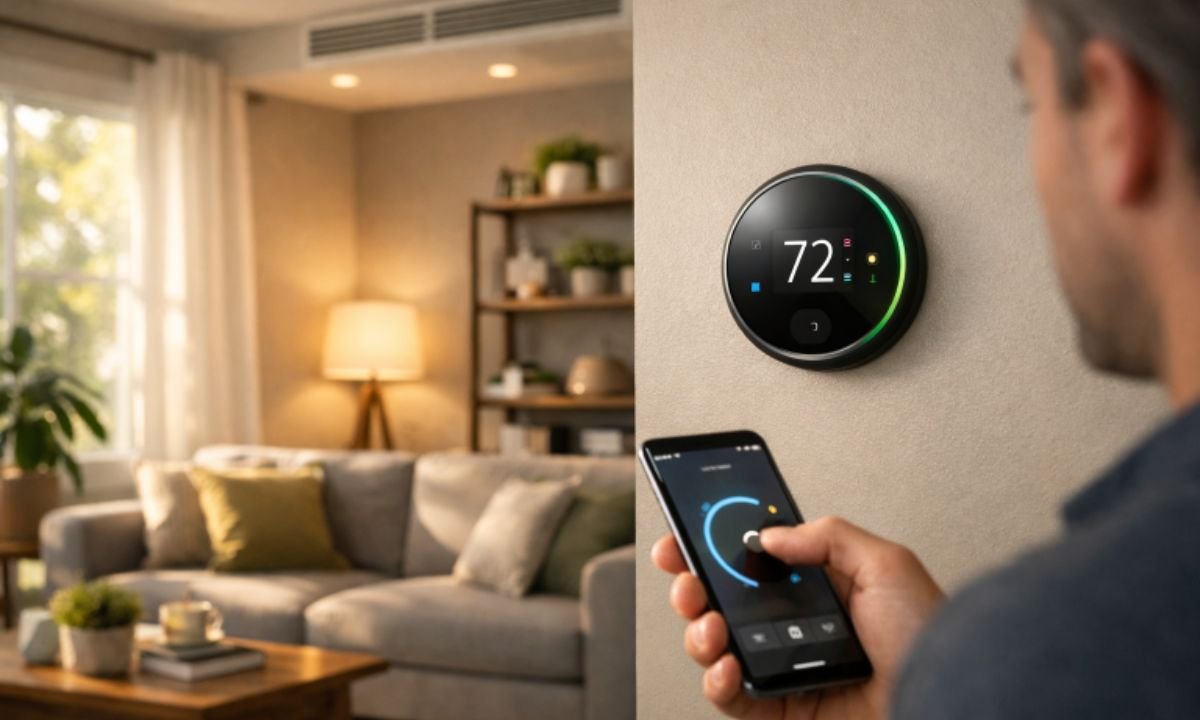
- Check whether the thermostat display appears accurate and whether the main rooms feel consistently conditioned.
- Listen for new rattling, buzzing, grinding, or squealing during startup and operation.
A dirty filter can slow airflow and force the system to work harder. However, a more restrictive filter is not automatically better. Use a filter type that is compatible with the system, and ask during an inspection if there is any uncertainty.
Humidity and Indoor Air Quality Checks
Musty odors, condensation, damp-feeling rooms, peeling paint, and recurring mold growth can point to a moisture problem. A basic humidity gauge can help homeowners track conditions rather than judge comfort by temperature alone. The EPA recommends keeping indoor humidity below 60 percent, ideally between 30 and 50 percent, as part of a plan for improving indoor air quality at home. If moisture readings stay high, do not assume the HVAC unit is the only cause. Bathing, cooking, plumbing leaks, poor exhaust ventilation, and outdoor air intrusion can also contribute. Persistent dampness calls for finding and correcting the underlying source.
Outdoor Unit and Condensate Drain Care
The outdoor unit needs open space for airflow. Trim plants back, keep stored items away, and avoid bending coil fins or spraying water into electrical areas. Indoors, watch for water near the air handler, drain pan, or drain outlet. Repeated water collection is not a minor nuisance. It may indicate a clogged drain, a damaged pan, a frozen coil, or another condition that requires diagnosis.
Heat Pumps and Reversible Systems
Many Florida homes use heat pumps, which move heat out of the home in cooling mode and move heat indoors in heating mode. Both functions depend on clean filters, usable airflow, responsive controls, and a clear outdoor unit. Take note if heating performance suddenly changes, the unit cycles unusually often, airflow weakens, or the system appears to spend excessive time in defrost operation.
Signs That Call for Professional Attention
- A breaker trips more than once.
- Ice appears on a coil or refrigerant line.
- Water collects around indoor equipment.
- One part of the home remains much hotter or colder than other areas.
- The equipment starts and stops repeatedly without reaching the thermostat setting.
- A burning, electrical, gas, or other sharp, unfamiliar odor appears.
- Loud mechanical sounds begin, or energy use changes without a clear reason.
Do not bypass safety controls, open sealed refrigerant components, or attempt electrical repairs. If a gas odor is present, leave the area and follow the safety instructions provided by the gas utility or emergency services.
Repair or Replacement: Questions to Ask
Equipment age matters, but it should not be the only deciding factor. Ask for a written diagnosis that explains the failed component, likely cause, available repair options, expected urgency, and whether parts are available. Also consider repair history, declining comfort, system sizing, duct condition, and how the proposed repair relates to the unit’s remaining service life.
Ways to Reduce HVAC Energy Waste
- Use steady, reasonable thermostat settings instead of frequent large adjustments.
- Run ceiling fans when rooms are occupied to improve perceived comfort.
- Close gaps around doors and windows, and use blinds or curtains to limit direct sun.
- Keep exterior doors and windows closed while cooling or heating is operating.
- Address changing performance early rather than waiting for a complete shutdown.
Actual energy use varies with weather, insulation, ductwork, equipment condition, thermostat settings, and household routines.
A Seasonal Checklist
Spring and Summer
- Inspect the filter, clear the outdoor unit, and check airflow in frequently used rooms.
- Look for condensate drainage issues before periods of heavy cooling demand.
- Watch for high humidity, long run times, leaks, and changes in sound.
Fall and Winter
- Test heating mode before the first colder period.
- Review thermostat schedules and listen for unusual startup sounds or odors.
- Arrange service if the system struggles to maintain comfortable conditions.
Common Maintenance Mistakes to Avoid
Common oversights include changing the filter only once a year, blocking return vents, ignoring small leaks, crowding the outdoor unit with shrubs, and waiting for total failure before arranging an inspection. Even newer equipment benefits from routine attention because filters, drains, controls, and airflow can change over time.
Conclusion
A reliable HVAC routine for an Ocala home can stay simple while still making a meaningful difference in everyday comfort. Homeowners can check the items that are safe to inspect, keep records of noticeable changes, protect airflow around indoor and outdoor equipment, and take moisture seriously. Replacing filters as recommended, keeping supply and return vents clear, and watching for unusual sounds, odors, leaks, or changes in cooling performance can also help identify concerns early. Florida’s heat and humidity place regular demands on HVAC systems, so paying attention to drainage and indoor moisture is especially important. While basic checks can be handled at home, electrical concerns, refrigerant issues, and persistent performance problems should be assessed by a qualified technician. A consistent routine can help homeowners respond to minor warning signs before they become larger disruptions and maintain steadier comfort through the remainder of 2026 and beyond.