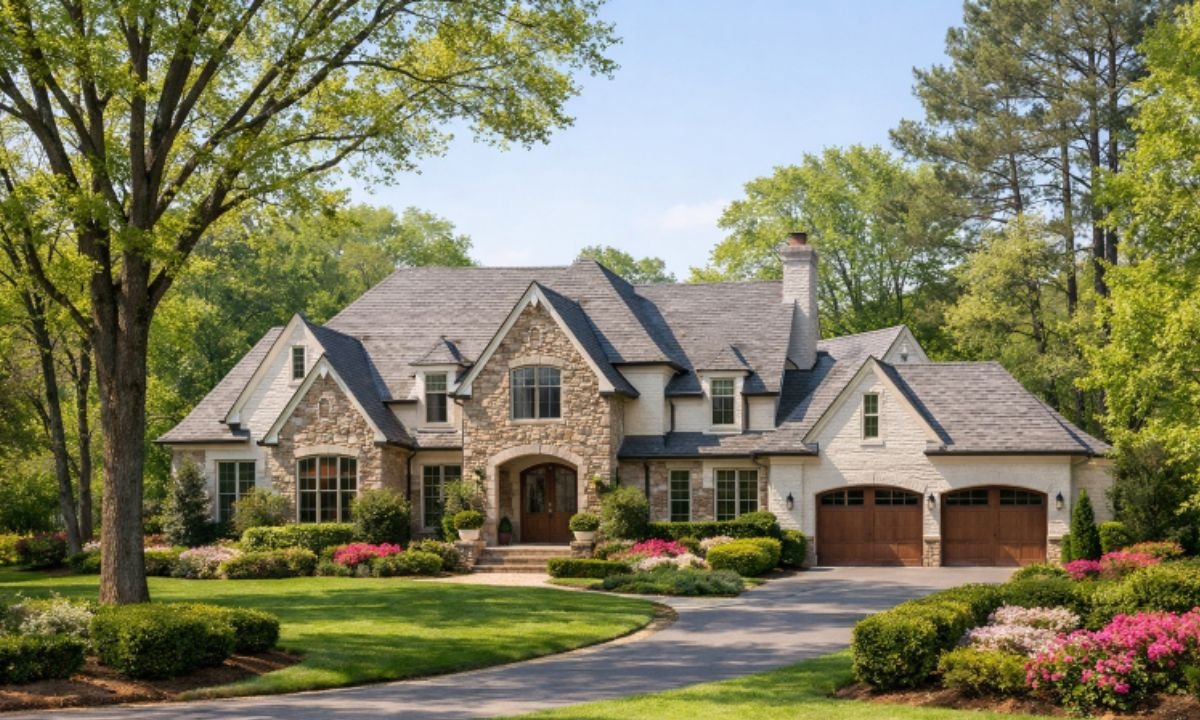









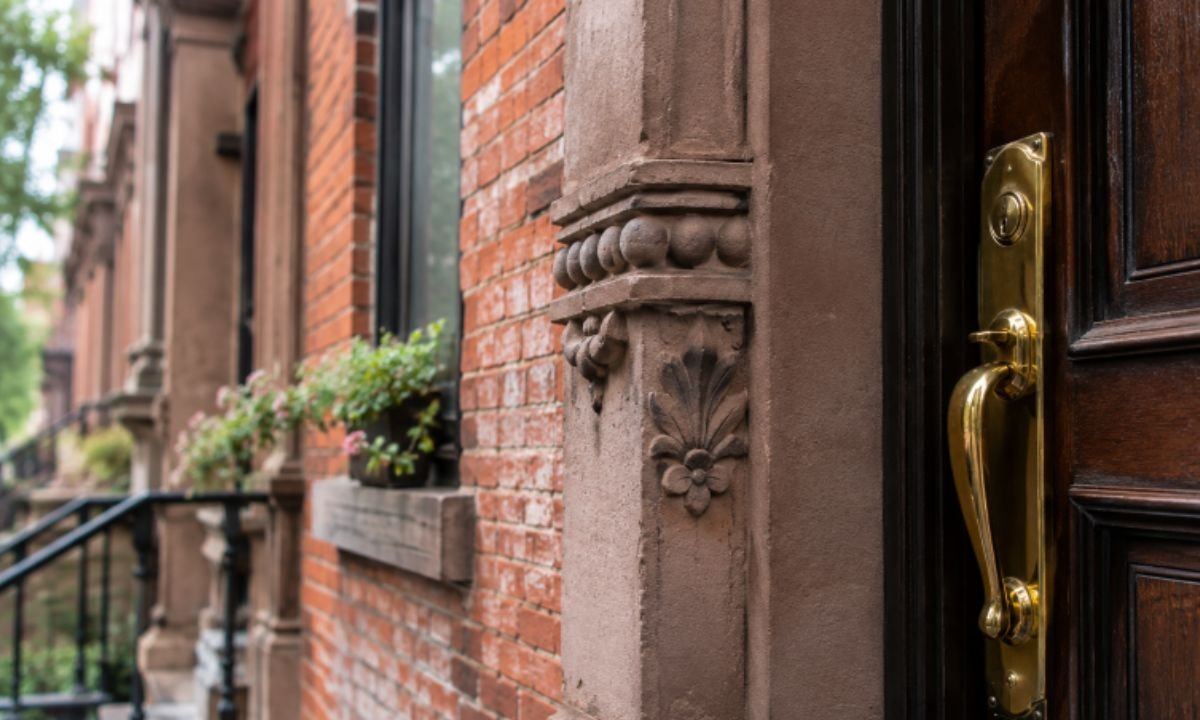
Buying in Brooklyn, New York, is rarely just about choosing the most attractive listing. A home can look ideal online yet prove inconvenient once weekday commuting, grocery runs, school schedules, street activity, and building expenses become part of everyday life. Local guidance can help buyers separate a promising block from a costly compromise. Brooklyn, NY, real estate agents Poljan Properties is an independent brokerage founded in 2012 that serves New Yorkers and newcomers with buying, selling, home-search, neighborhood, and valuation resources. Based in Brooklyn and active across nearby New York City neighborhoods, Poljan Properties offers a neighborhood-focused perspective that helps buyers compare homes beyond listing photos and asking prices.
Start With Your Daily Routine
Before comparing neighborhoods, define what an ordinary week needs to look like. List workplaces, schools, relatives, regular medical appointments, parks, fitness routines, and frequent destinations. Then identify the features that will affect daily comfort, such as elevator access, stroller storage, outdoor space, parking, a home office, or proximity to transit. Think ahead as well. A compact apartment near a favorite restaurant corridor may work today, while a larger home, a quieter street, or a more flexible layout may matter more if your household changes. Starting with routine prevents a search from being driven solely by finishes or square footage.
Set A Realistic Budget
Your maximum offer should not be your only number. Build a full ownership estimate that includes the down payment, closing costs, mortgage payment, property taxes, maintenance or common charges, insurance, utilities, and a reserve for repairs. Transportation deserves a place in the calculation, too, particularly if a lower-priced area adds regular car, parking, rideshare, or commuter rail expenses.
Budget Questions To Answer
- What monthly payment remains comfortable after all recurring housing costs?
- How much cash will remain after closing?
- Could you manage a special assessment, appliance replacement, or exterior repair?
- Does the financial picture change materially between a co-op, condo, townhouse, and multi-family property?
Compare Housing Types, Not Just Addresses
Two Brooklyn homes with similar asking prices can create very different obligations. A co-op may involve board review, maintenance charges, financial requirements, and rules on subletting. A condo can offer a different ownership structure, but buyers should still review common charges, taxes, building insurance, reserves, and renovation policies. Townhouses and multi-family homes provide more control but also shift more maintenance to the owner. Roofs, façades, boilers, plumbing, sidewalks, and exterior conditions all require planning. For a property with rental units, verify its legal configuration, existing leases, tenant responsibilities, and the income assumptions used in your budget.
Build A Neighborhood Scorecard
First impressions are useful, but they should not decide a major purchase. Rate each neighborhood from one to five using the same criteria:
- Budget fit: Purchase price plus the complete monthly cost.
- Commute: Door-to-door travel time during realistic work hours.
- Housing choice: Availability of the property types and layouts you want.
- Daily convenience: Access to groceries, parks, schools, health care, and services.
- Noise and privacy: Traffic, trains, nightlife, construction, and building spacing.
- Long-term fit: Flexibility for future needs and likely appeal to later buyers.
Test The Commute In Real Conditions
A map estimate can miss the time spent walking from the actual building entrance, waiting for a train, transferring, or finding parking. Test the route on a weekday morning and evening, then check it again on a weekend. Notice station entrances, crowded platforms, accessibility needs, and how the trip feels in poor weather. Also, test the shorter trips that make up a week, including grocery shopping, childcare pickups, and visits to friends or family.
Visit At Different Times
A quiet open-house visit does not capture every condition on a block. Return in the morning, after work, and on the weekend. Listen for train noise, delivery activity, traffic, nightlife, or construction. Check street lighting, sidewalk conditions, parking patterns, and the distance to transit and everyday services. A few repeat visits often reveal whether a location feels practical rather than merely appealing.
Review Flood Risk, Construction, And Property Records
Location research should go beyond price and appearance. Buyers considering low-lying or waterfront-adjacent areas should review flood risk for a specific Brooklyn property early, because exposure can affect insurance planning and future ownership decisions. Also ask about nearby projects, zoning activity, vacant lots, and planned work that could affect light, noise, traffic, or views. For houses and multi-family properties in particular, public documents can add useful context. New York City’s recorded deeds and property documents can be searched through ACRIS for Brooklyn properties, helping buyers review recorded transactions and other documents. This research should complement, not replace, attorney review, inspections, and appropriate due diligence.
Ask Questions Before Making An Offer
- How do recent sales of genuinely similar homes compare?
- What building repairs, capital projects, or assessments may be under discussion?
- How does this block differ from nearby streets at different hours?
- What ownership costs could increase after purchase?
- Are there nearby construction or zoning considerations that could change the setting?
- Would this home still suit your needs and remain attractive to future buyers in several years?
Final Brooklyn Home-Buying Checklist
- Compare at least three neighborhoods using the same scorecard.
- Evaluate similar property types rather than broad neighborhood averages.
- Calculate the full monthly cost of ownership and preserve a cash reserve.
- Test commutes and visit each area multiple times.
- Review flood exposure, records, building information, and nearby development.
The best Brooklyn neighborhood is not automatically the least expensive, trendiest, or closest to a particular train line. It is the place where the property type, monthly costs, commute, block conditions, and long-term plans work together. A disciplined comparison makes that decision more confident and more durable.