







A motorcycle accident in Philadelphia can leave a rider dealing with injuries, traffic hazards, damaged gear, and difficult questions about what happened. Whether the collision occurs on an expressway, at a busy Center City intersection, or on a neighborhood street with limited visibility, the priority is safety. Once urgent needs are addressed, organized documentation can make the next steps more manageable. Riders facing serious injuries, disputed facts, or insurance pressure may also decide to speak with motorcycle accident lawyers about their individual circumstances.
Motorcycle crashes require careful attention because riders have less physical protection than occupants of enclosed vehicles. Pain can also be delayed by adrenaline, and evidence at a Philadelphia crash scene can disappear quickly as vehicles move, weather changes, and nearby businesses overwrite video footage. A calm plan can help protect both a rider’s health and their ability to understand what occurred.
Why Motorcycle Accidents Can Become Complicated Quickly
Motorcycle collisions can involve conflicting accounts of speed, lane position, signals, visibility, and right-of-way. Common situations include a driver turning across a rider’s path, an unsafe lane change, a rear-end collision, road debris, or a driver who leaves the scene. The fact that someone was riding a motorcycle does not establish fault. For example, a driver may claim that a rider appeared suddenly, while a nearby camera or witness may show that the motorcycle had been visible and traveling lawfully.
Philadelphia streets add their own complications. Construction zones, uneven pavement, parked vehicles, delivery traffic, rain-slick road surfaces, and dense intersections can all affect how a crash unfolds. Preserving details early matters because those conditions may be different just hours later.
What To Do in the First Few Minutes
- Move away from moving traffic only if doing so does not create additional danger.
- Call 911 and request police and emergency medical assistance when needed.
- Do not remove your helmet or another injured person’s helmet unless trained responders direct you to do so or an immediate emergency requires action.
- Warn approaching traffic about debris or an obstructed lane from a safe location.
- Keep interactions with other drivers calm and brief. Do not argue or accuse anyone.
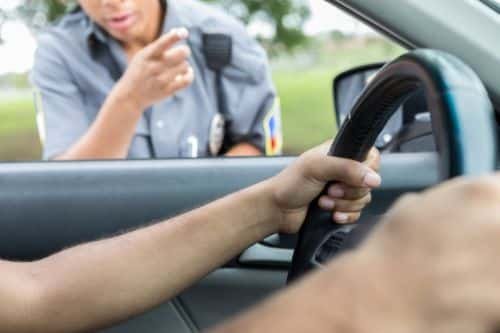
- Give responding officers an honest, simple account based on what you personally observed.
Photos and insurance information are useful, but they come after safety and medical care. If a rider is confused, bleeding, dizzy, unable to stand, or experiencing neck, back, chest, or head pain, someone else should handle documentation if possible.
Seek Medical Care Even If Symptoms Seem Minor
Shock and adrenaline can mask discomfort after a collision. Symptoms such as headache, dizziness, nausea, numbness, swelling, limited movement, sleep disruption, or worsening pain can develop later. An emergency department, urgent care provider, or personal physician can determine what evaluation and treatment are appropriate. Follow discharge instructions, attend follow-up appointments, and ask questions when symptoms change.
Medical records also create a clearer timeline of symptoms, treatment, and recovery. That record can be important when an insurer later asks whether an injury was connected to the crash or whether additional care was necessary.
Document the Scene and Preserve Evidence
If you can do so safely, create a thorough visual record before the scene changes. Take wide photos that show the location and close photos that show damage. Capture the motorcycle, every involved vehicle, license plates, lane markings, traffic signals, skid marks, debris, potholes, signs, weather conditions, and lighting.
- Write down the time, location, direction of travel, and sequence of events while your memory is fresh.
- Ask witnesses for their names and contact details.
- Save helmet-camera, dashcam, phone, or smartwatch footage in more than one location.
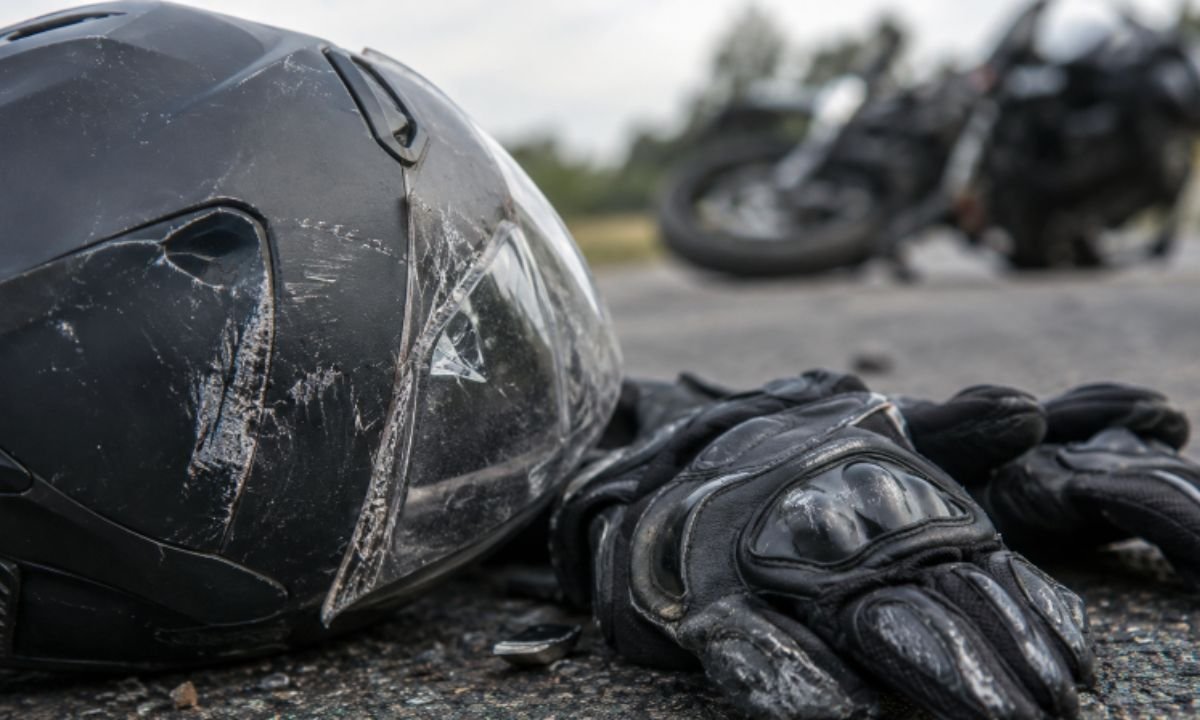
- Keep damaged clothing, gloves, boots, and helmets rather than discarding them.
- Do not alter, repair, or dispose of the motorcycle until it has been photographed and evaluated.
Video, Witnesses, and the Police Report
Nearby homes, stores, transit areas, and vehicles may have cameras that recorded part of the collision. If a business may have useful footage, note its name and location promptly. Avoid demanding footage or confronting employees. Instead, make a written note so the possibility can be raised through appropriate channels if needed.
The police report may identify the drivers, witnesses, location, and responding officers, but it may not resolve every factual disagreement. Philadelphia riders can request copies of crash reports through the City’s public safety report process after a report is available. Review the document carefully and keep it with the rest of your crash records.
Information To Exchange and What Not To Share
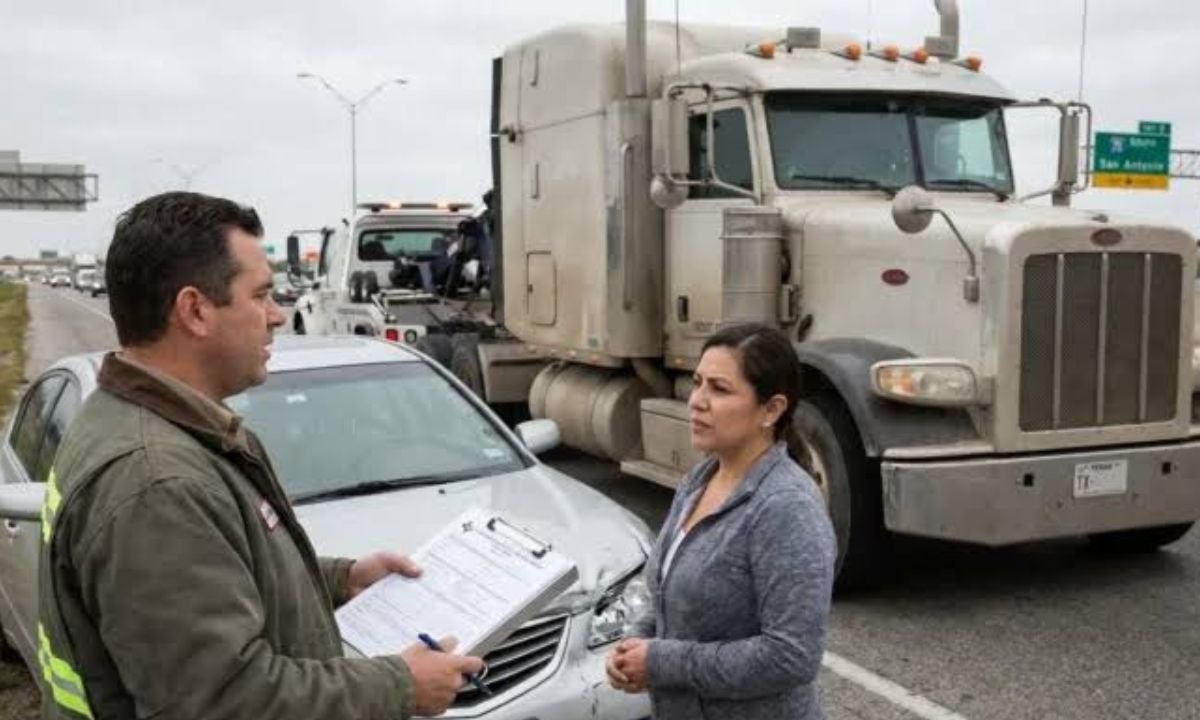
When conditions allow, collect the other driver’s full name, contact information, insurance details, vehicle description, and license plate number. Obtain witness contact information as well. Taking photos of insurance and identification cards can reduce transcription errors, provided everyone remains safe and cooperative.
Do not guess about your speed, distance, injuries, or the other driver’s actions. Avoid statements such as “I am fine” before you know whether symptoms will emerge. It is also wise to avoid posting detailed accounts, photos, opinions about fault, or comments about treatment on social media while the matter is unresolved.
Handling Insurance Calls and Motorcycle Damage
Insurance adjusters may ask for basic information soon after a crash. Provide accurate identifying information and claim details, but do not speculate. Before giving a recorded statement, signing a medical authorization, or accepting a release, understand what information or rights the document may affect. A quick payment may not account for future medical care, missed work, transportation costs, or the full extent of motorcycle damage.
Store the motorcycle securely if possible. Photograph it from multiple angles before repairs begin, request written estimates, and save towing, storage, rental, repair, and replacement-transportation receipts. Keep the damaged helmet and other gear, since those items may help show the force and nature of the impact.
Build a Recovery and Expense File
Create a physical folder and a backup digital folder. Include emergency and follow-up medical records, prescription receipts, therapy notes, insurance correspondence, repair estimates, photos, pay stubs, and proof of missed work. A short daily journal can also help track pain levels, mobility limits, appointments, sleep problems, and recovery milestones.
When Professional Advice May Help
Not every minor crash requires professional assistance. However, case-specific advice may be useful when injuries are serious, fault is disputed, the other driver left the scene, a commercial vehicle was involved, several parties may share responsibility, or an insurer requests a recorded statement or broad release. Timely guidance can help a rider understand available options and preserve relevant evidence.
A Practical Checklist for the Weeks After the Crash
- Attend every recommended medical appointment and follow treatment instructions.
- Save original photos, videos, receipts, and correspondence.
- Record symptoms and expenses consistently.
- Keep the motorcycle and damaged gear available for inspection.
- Read insurance documents before signing them.
- Avoid public comments that assign blame or minimize injuries.
A Philadelphia motorcycle accident can create immediate physical, financial, and emotional strain. Focusing on safety first, obtaining appropriate medical care, preserving evidence, and maintaining clear records gives riders a stronger foundation for recovery. Taking each step carefully can reduce confusion during an already difficult time.